- Acidity
- 8.0
- Aroma
- 4.6
- Flavor
- 6.8
- Sweetness
- 4.5
- Mouthfeel
- 2.9
- Country
- Honduras
- Region
- Santa Bárbara
- Farm
- El Caminito
- Variety
- Geisha
- Process
- Anaerobic Washed
- Altitude
- 1550 m
- Harvest
- —
- Lot size
- —
- Moisture
- —
- Density
- —
- TUS uniformity
- 64%
Panel cupping publishes here — preview shows the format
Cupping verifies — it doesn’t define. The engine’s chemistry-based prediction stands on its own; the panel confirms it at the table.
El Caminito Geisha Anaerobic Washed leads with acidity and flavor — a pronounced, expressive profile. Expect a quieter mouthfeel presence.
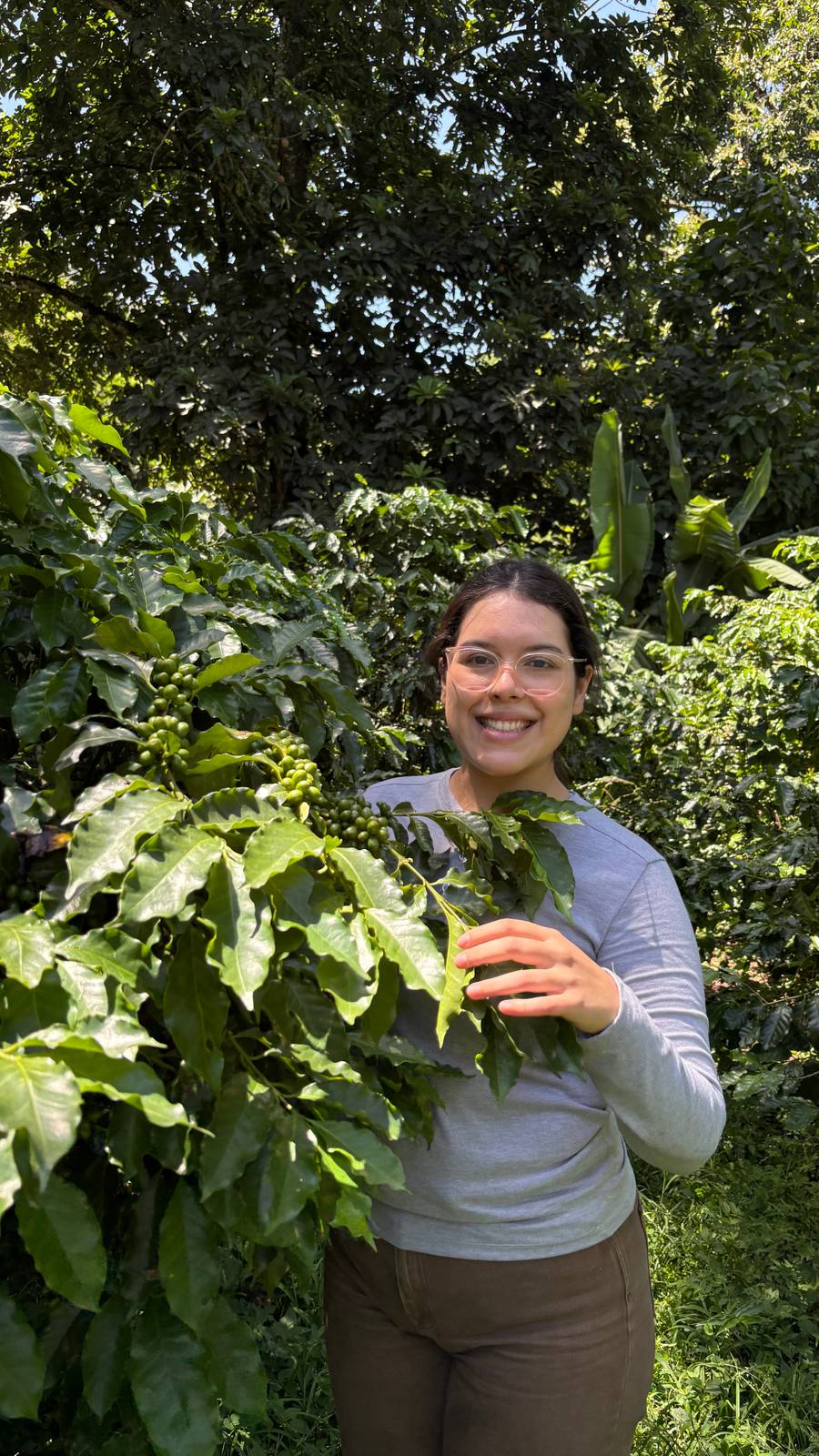
Leonela Vanesa Madrid farms El Caminito at 1550 m in Santa Bárbara, Honduras.
NIR-derived indices · EGGSTONE engine
Predicted sensory axes · 0–10
Acid load sits near the comparison — enough lift without dominating.
An expressive aromatic feedstock — fragrance carries from dry grounds through the cup.
Clean, well-defined flavor potential — focus the roast around the cup’s own character.
Natural sugars are calmer than peers — build sweetness through the Maillard phase.
Medium weight — versatile across brew methods.
Predicted by the uncrack engine from this lot’s NIR chemistry · v2 tier model · probabilities sum to 100%
Bean-to-bean, from 96 readings (3 scans × 32) · higher = more uniform
Roasting directions from this lot's chemistry · percentiles against the full green coffee library
- 01Lead with aroma: trigonelline and anaerobic fermentation character
Abundant trigonelline provides a broad base of aroma precursors, complemented by nuances from anaerobic fermentation. Aroma potential ranks exceptionally high. Build the profile around aromatic expression.
Data rationale Trigonelline 72nd percentile · Aroma potential 92nd percentile
- 02Bright, lively acidity: organic acids and chlorogenic acids
Organic acids and chlorogenic acids rank among the highest in the library. Retaining chlorogenic acids can contribute to bright acidity, while organic and citric acids add freshness and balance. Aim to preserve the coffee's acid profile.
Data rationale Chlorogenic acids 100th percentile · Organic acids 99th percentile · Citric acid 76th percentile · Acidity potential 81st percentile
- 03Develop caramelized sweetness: monosaccharides and glucose
Monosaccharides and glucose rank exceptionally high. Rather than relying on direct sweetness, develop toasted notes, deeper sweetness and browned-sugar character through caramelization to balance the acidity.
Data rationale Monosaccharides 99th percentile · Glucose 91st percentile
- 04Diterpene complexity and a fast response: manage heat carefully
Abundant diterpenes add fruit and malt notes, and flavor potential ranks exceptionally high. Very low water activity suggests a rapid response during roasting; use measured heat application to develop aroma and acidity evenly and avoid a one-dimensional cup.
Data rationale Diterpenes 83rd percentile · Flavor potential 89th percentile · Water activity 9th percentile
Percentiles rank this lot against the full green coffee reference library (about 2,300 coffees); Taste Potential values are percentile rankings, not cupping scores. These are directions suggested by the data — design and validate the actual profile on your roaster, for your target cup.